Artist Statement
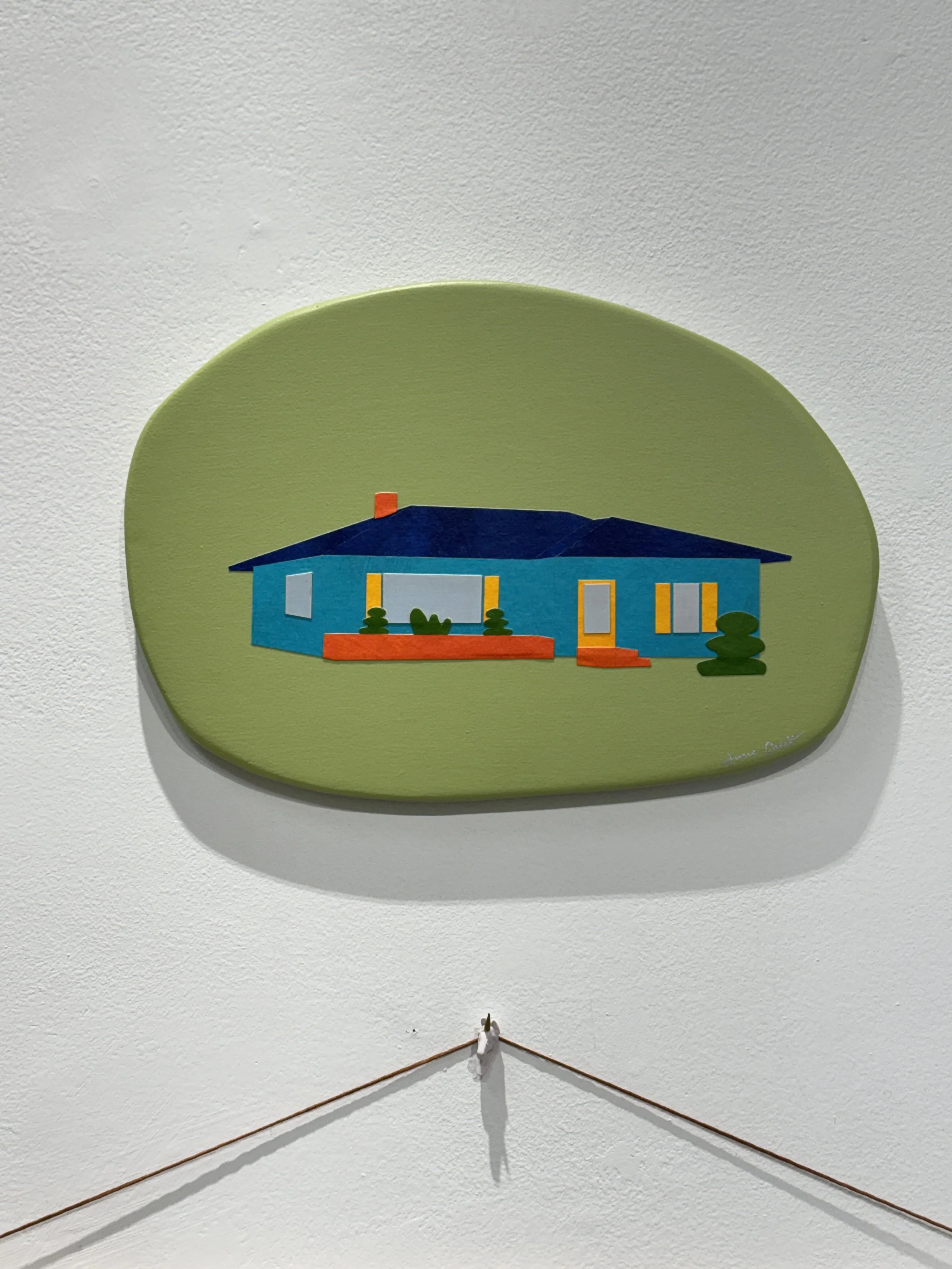
As a queer mother raising three kids in the aftermath of family estrangement and in an ever dividing world, I find the concept of belonging and home to be inexorably intertwined. As a way of sorting out my own feelings on the topic, I began incorporating an investigation into my exhibitions. Over the span of two years, I’ve asked hundreds of visitors to record or write responses to the question: What makes a place feel like home? I wondered if is it a sense of belonging, or is it love, loved ones, cherished objects? In an ever changing world and a political climate that is increasingly dictating who is allowed to feel at home, to be at home in this country, Story/Line explores the idea of home on a level that makes the personal, communal.
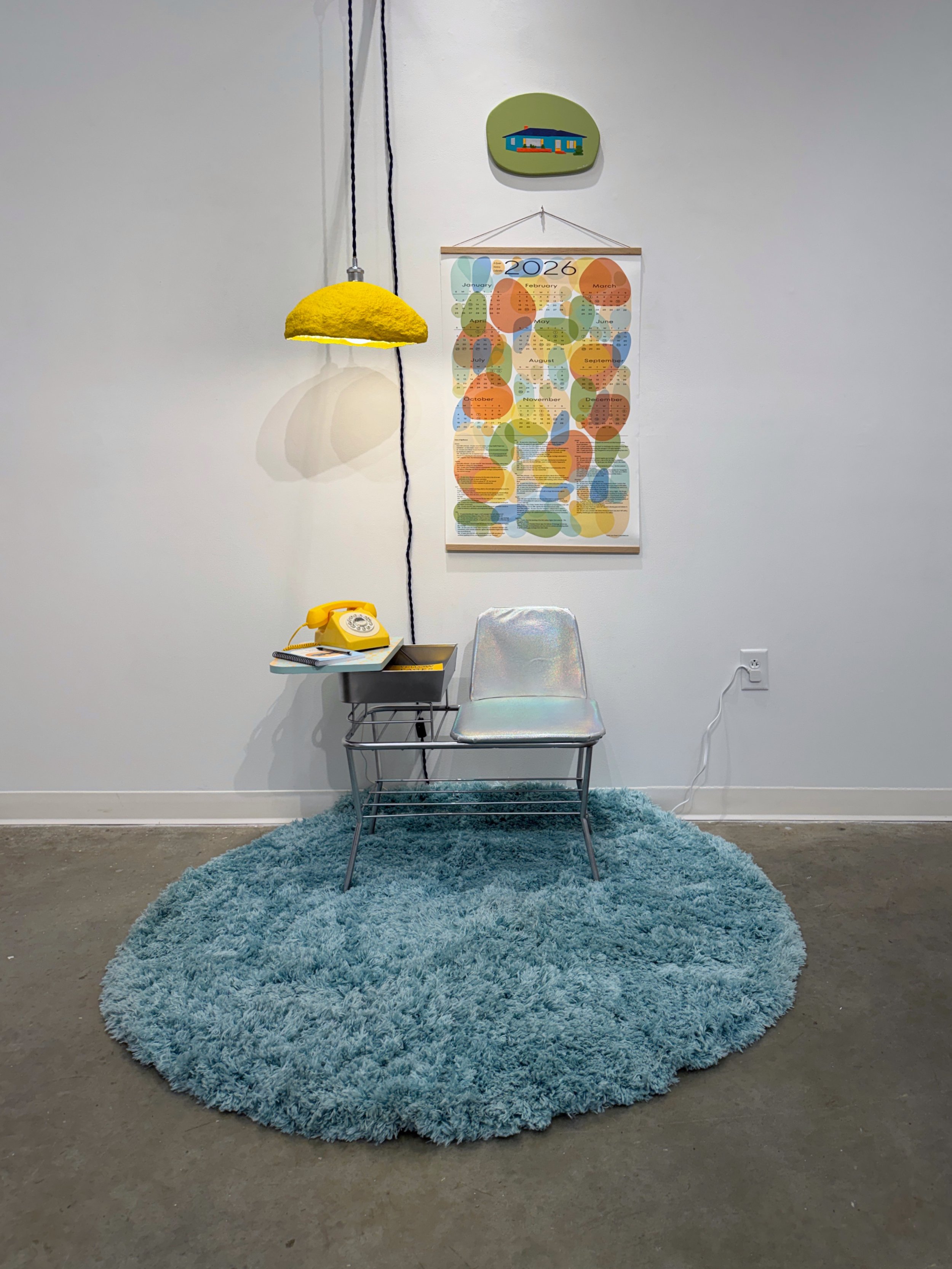
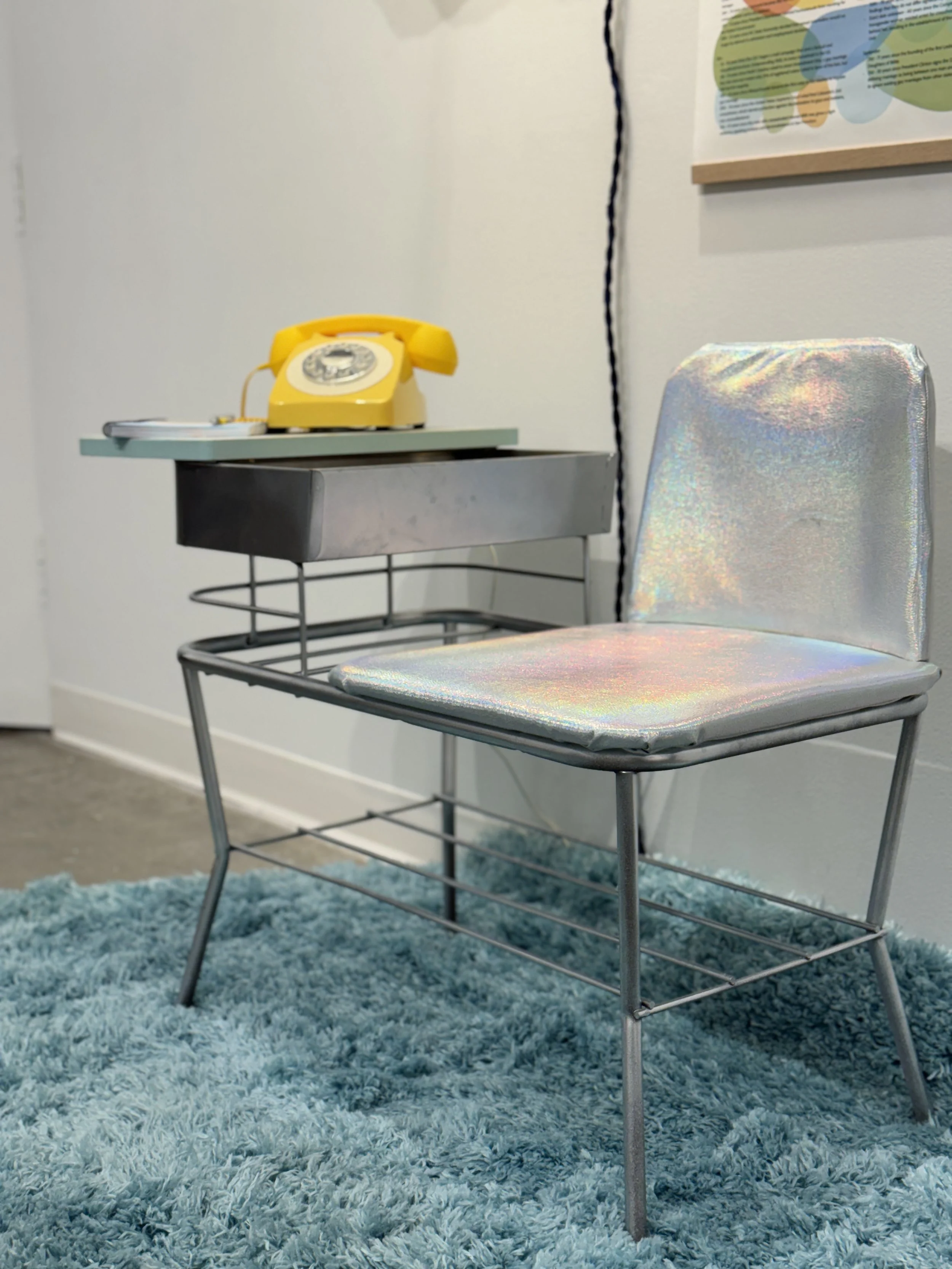
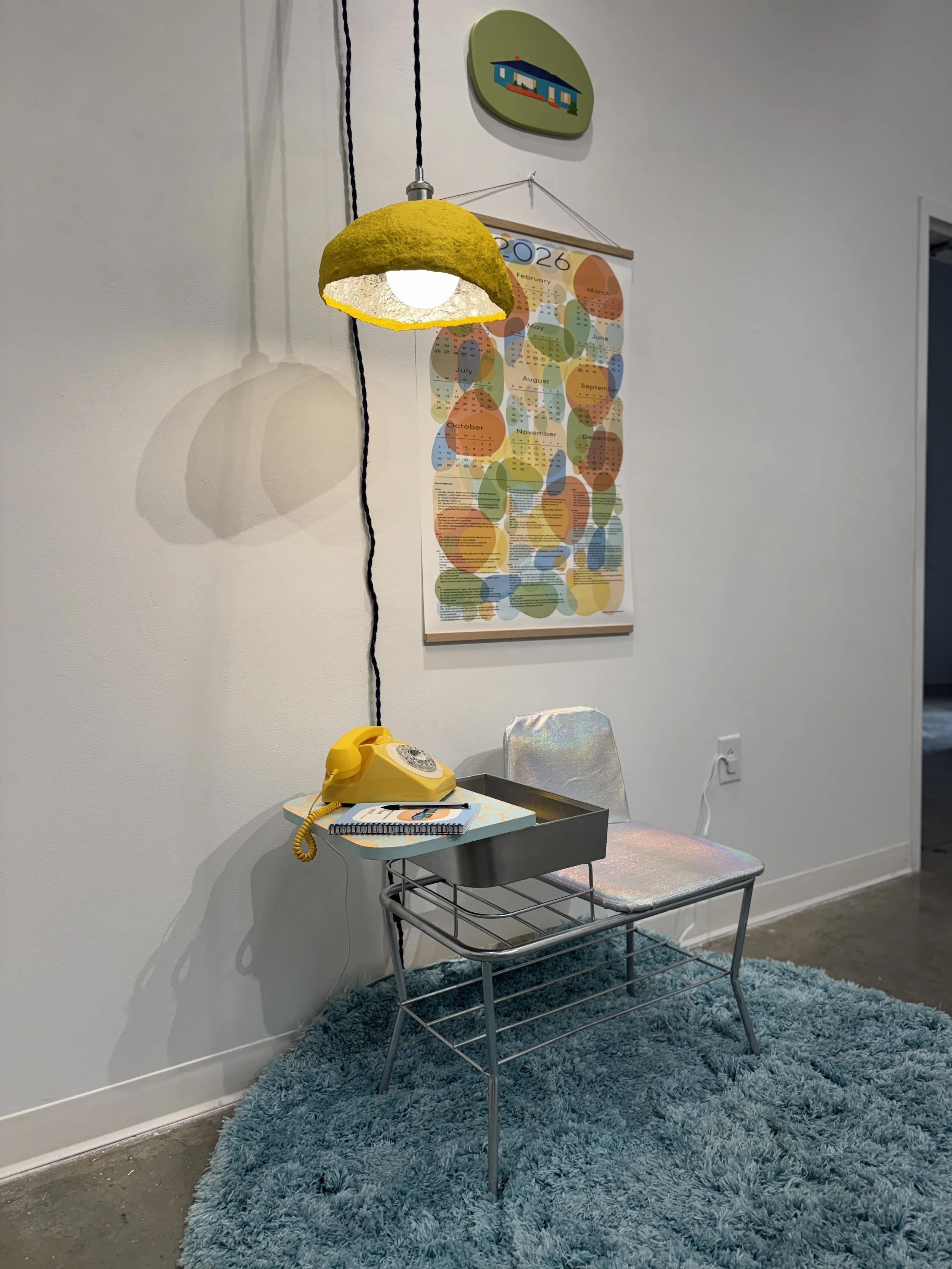
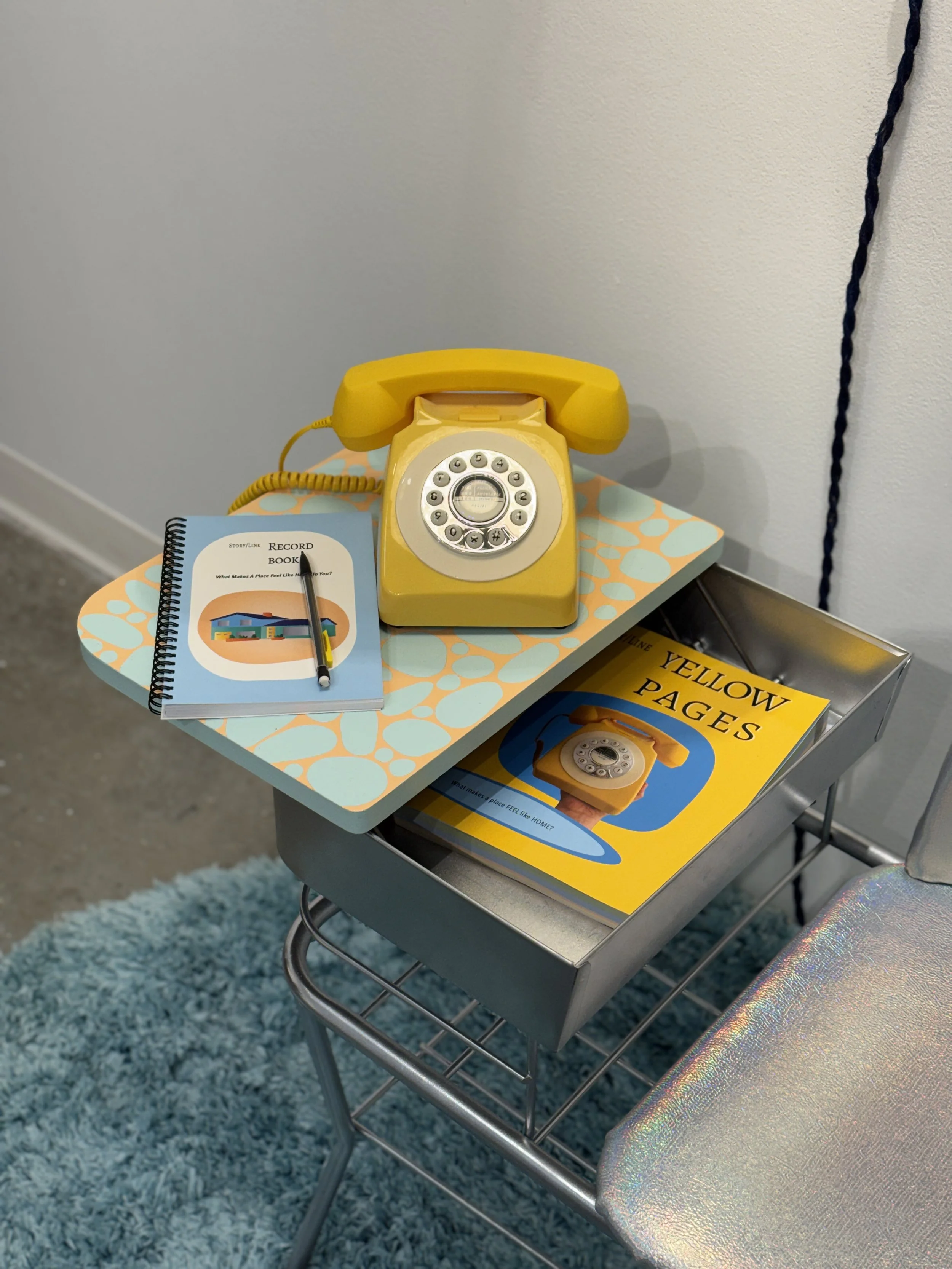
Within the framework of a reupholstered vintage gossip bench, the installation provides a nostalgic space for listening. Recorded oral responses to the question, “What makes a place feel like home?,” play on a retro desk phone, inviting visitors to sit and listen to their neighbors’ stories. Further responses, collected in writing, were used to create a retro phone book with images of each respondent’s answer in their own handwriting placed in the center of each page and the pages categorized according to the Heirarchy of Needs. Anonymous, yet human and personal, the collection of these stories distills the essence of belonging. My goal with this project was to highlight differing perspectives, inequities, and privileges while creating connection and empathy. While some people’s written response to the prompt lists necessities like water, food, and shelter, other people list acceptance, unconditional love, and ability to be oneself, while still others list objects like house plants, a TV, or books. The link to Maslow’s Heirarchy of Needs in these responses paints a picture of what each community member may be coping with. Yet another book contained inside the gossip bench, fashioned like an address book, provides a space for visitors to this installation to record their own thoughts on the topic of home.
Connecting to the idea of community connection by framing gossip not as idle and cruel, but as a way of sharing news and protecting friends and neighbors, the installation provides a space that encourages story-telling, connection, and empathy - all essential human actions that a divisive political climate fights against. There’s a play on the idea of social media within the work in which the retro, screen-less phone shares stories of strangers in a personal and honest way. No algorithm, no propaganda, just people speaking from the heart.
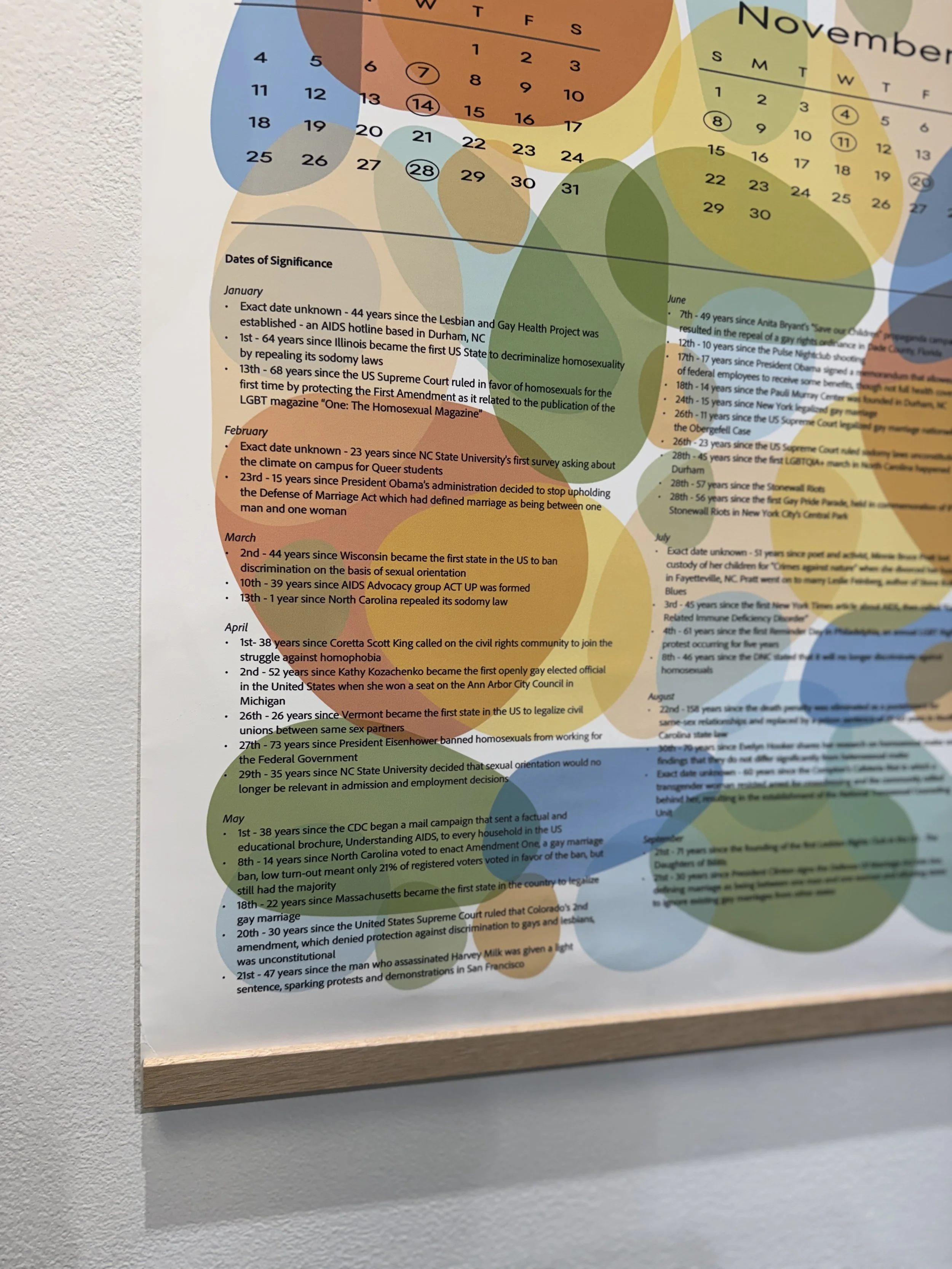
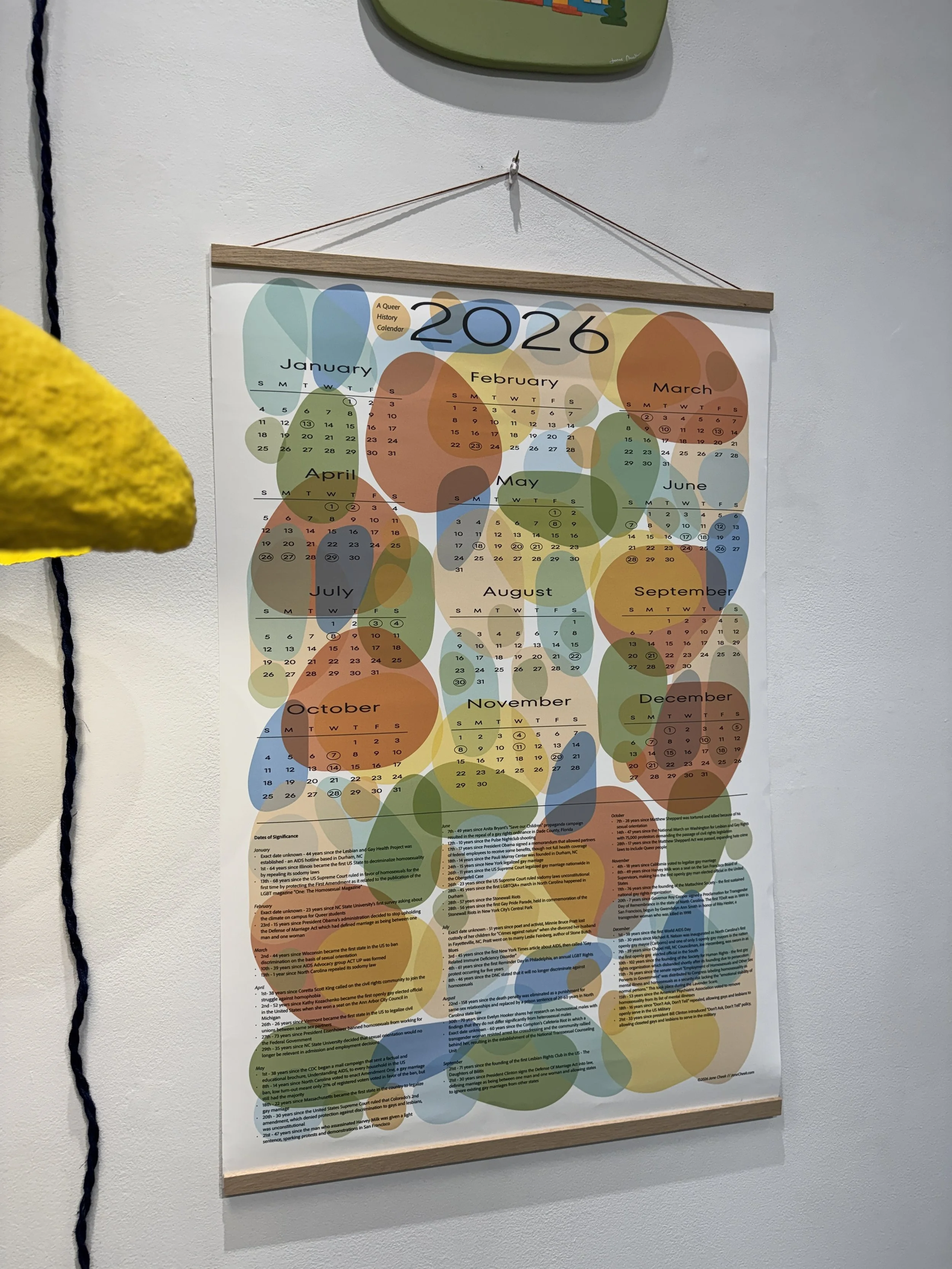
The table top of the gossip bench is painted in a stone motif, and the written responses with in the phone book use the same shapes. Throughout history, stones have been both the foundation upon which homes and communities are built, and the weapon used to enforce exclusion and violence. They appear in religious texts as instruments of punishment, and are evoked in contemporary political rhetoric to threaten Queer lives. They also anchor pivotal moments of liberation, such as the Stonewall Riots. By working with rocks as form and metaphor, this installation acknowledges that duality: their capacity to wound and to shelter, to oppress and to resist. The rocks become reminders of the weight of history and the enduring strength required to move through it. With this installation, I aim to ignite an understanding of community care and reciprocity, reminding us all of our capacity to shape a future filled with compassion and unity.
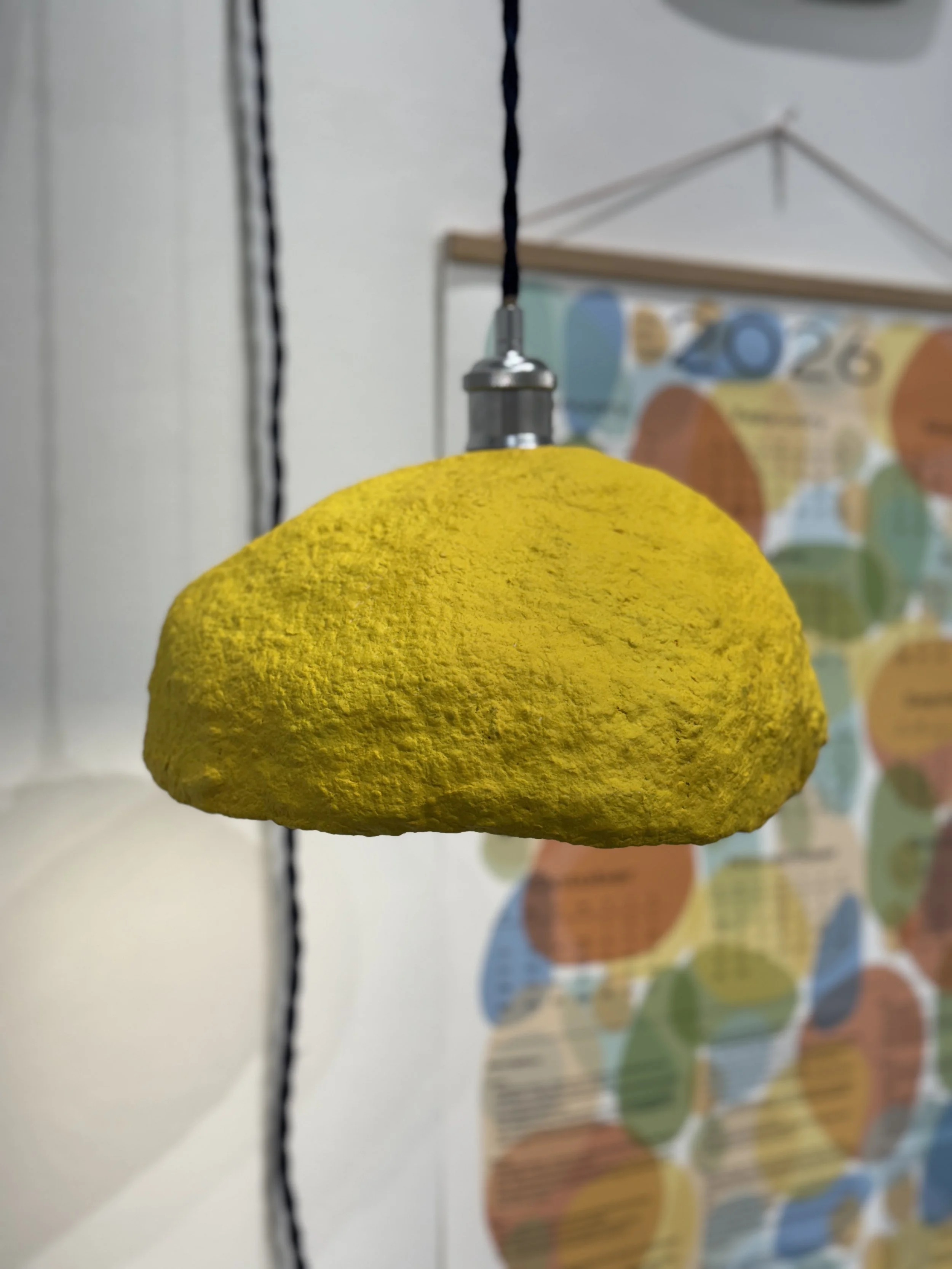
Ultimately, a cheerful and joyful installation, the work takes a hopeful tone as I optimistically present stories of love and belonging, amplifying hard-won moments of happiness in a vivid, hyperbolic form. Through this work I delve into the fragility of joy, the significance of gratitude, and the ever-changing nature of happiness.